Underserved and indigenous markets

01 · moringa chiroro pula
moringachiroro pula
A leading African development institution combining systems thinking, indigenous knowledge, applied research and implementation to solve complex development challenges.
02who we are
development advisory for underserved and indigenous markets.
mcp works with public institutions, development organisations, businesses and investors to strengthen local economies, develop productive sectors and implement interventions that expand economic participation and ownership.
03why we exist
expanding economic opportunity in underserved markets.
Across Africa, many communities and local economies remain excluded from the infrastructure, institutions, productive investment and markets necessary for sustained economic development.
These challenges are interconnected. Improving economic outcomes requires understanding local conditions, stronger institutions, coordinated investment and practical interventions that address the constraints facing businesses and communities.
mcp works with institutions and development partners to diagnose these constraints, develop appropriate strategies and support implementation.
Research, strategy, programme design, delivery support and evaluation
Productive capacity, economic participation and ownership
04our practices
areas of specialisation.
economic systems & regional development
We help governments, development institutions and businesses strengthen local and regional economies through economic diagnostics, industrial and enterprise development, value-chain analysis, market access strategies and productive investment planning.
Local economic development · Industrialisation · Enterprise development · Investment attraction · Regional competitiveness
food systems & rural transformation
We work with communities, farmers and institutions to strengthen agricultural production, farmer organisation, aggregation, market access, agro-processing and rural enterprise development.
Food security · Farmer development · Aggregation · Agro-processing · Rural enterprise development
monitoring, evaluation & learning
We help institutions establish results frameworks, monitor programme performance, evaluate development outcomes and use evidence to improve decisions, delivery and resource allocation.
Programme evaluation · Impact assessment · Performance measurement · Institutional learning
health & nutrition
We support research and programme design addressing community health, nutrition outcomes, access to essential services and the institutional factors influencing health systems.
Health systems · Community health · Nutrition · Programme design
education & human development
We support education, skills and workforce development interventions through diagnostics, programme design, institutional support and evaluation.
Education systems · Skills development · Youth development · Workforce readiness
05advisory services
work clients can commission.
Research & Diagnostics
Economic, institutional and sector evidence for development decisions.
Strategy & Programme Design
Development strategies, policy recommendations, programme design and implementation plans.
Programme Delivery & Institutional Support
Programme management, stakeholder coordination and institutional strengthening.
Monitoring, Evaluation & Learning
Results frameworks, evaluations, performance measurement and learning.
Investment & Capital Advisory
Investment readiness, project preparation, structuring and mobilisation support.
06our approach
our development philosophy.
indigenous knowledge informs development
We recognise indigenous knowledge systems as valuable sources of economic, environmental and social intelligence. We integrate this knowledge with contemporary research and technical expertise to design interventions that respond to local conditions, institutions and community priorities.
effective institutions enable productive investment
Sustainable development requires more than capital. It depends on capable institutions, functioning markets, appropriate infrastructure, effective coordination and implementation capacity. We strengthen these enabling conditions so development resources translate into lasting economic outcomes.
economic participation and ownership create lasting prosperity
We support development approaches that expand productive capacity, enterprise participation, market access and local ownership, enabling communities and businesses to build assets and generate sustainable livelihoods.
two main methodologies
Ndabazabantu
isiZulu · isiXhosa
Literally translated from isiZulu and isiXhosa as “the affairs of the people” or “the one who knows the people’s news”.
In Swati traditional affairs, Ndabazabantu is the King’s Representative: an office established during the colonial era to bridge the gap between Western legal systems and traditional authority, found in every district. The official appointed to this role directly represents the King (Ingwenyama), and their primary historical and modern mandate is to mediate, arbitrate and resolve local land disputes, working alongside the chief’s courts (libandla) and family councils (lusendvo).
in mcp’s work
In mcp’s work, this methodology prioritises understanding the nuanced contexts of the communities within which mcp works — their histories, motivations, traumas, aspirations and indigenous knowledge systems. Through a thorough understanding of communities, advisory and implementation operate from a point of intrinsic community need rather than paternalistic parachuting.
Dalindyebo
isiXhosa
A Xhosa given name and royal surname meaning “provider of the nation/people” or “he who improves/renews the nation”.
Linguistically, dali- / dali(n)- derives from Nguni verb roots meaning to “make” or “provide”, while -ndyebo is linked to ubutyebi, which translates to “wealth”, “riches” or “prosperity”. Combined, the name conveys the role of a collective benefactor — one who brings wealth, stewardship, generosity and renewal to the community.
in mcp’s work
In mcp’s work, this is the natural progression from understanding the nuanced lived experience of a community ecosystem: stewarding the work of wealth creation to bring renewal through ownership.
methods we draw on
Indigenous Knowledge SystemsSystems ThinkingCommunity DevelopmentParticipatory PlanningTheory of ChangeHuman-Centred DesignEvidence-Based Decision Making
07sector focus
transportation & mobility
energy & power
water & sanitation
agriculture & food systems
industrials & manufacturing
healthcare
education
urban development & housing
08experience and team
the people behind the work.

Cebo Mayekiso
Managing Partner — Investment Management
A strategy, M&A and investment leader with a decade of experience across Sub-Saharan Africa. Cebo leads mcp’s investment advisory and capital-raising work.
Education
BCom Accounting, UKZN · Honours in Management Accounting, UNISA · ACMA, CGMA · MBA, Warwick Business School
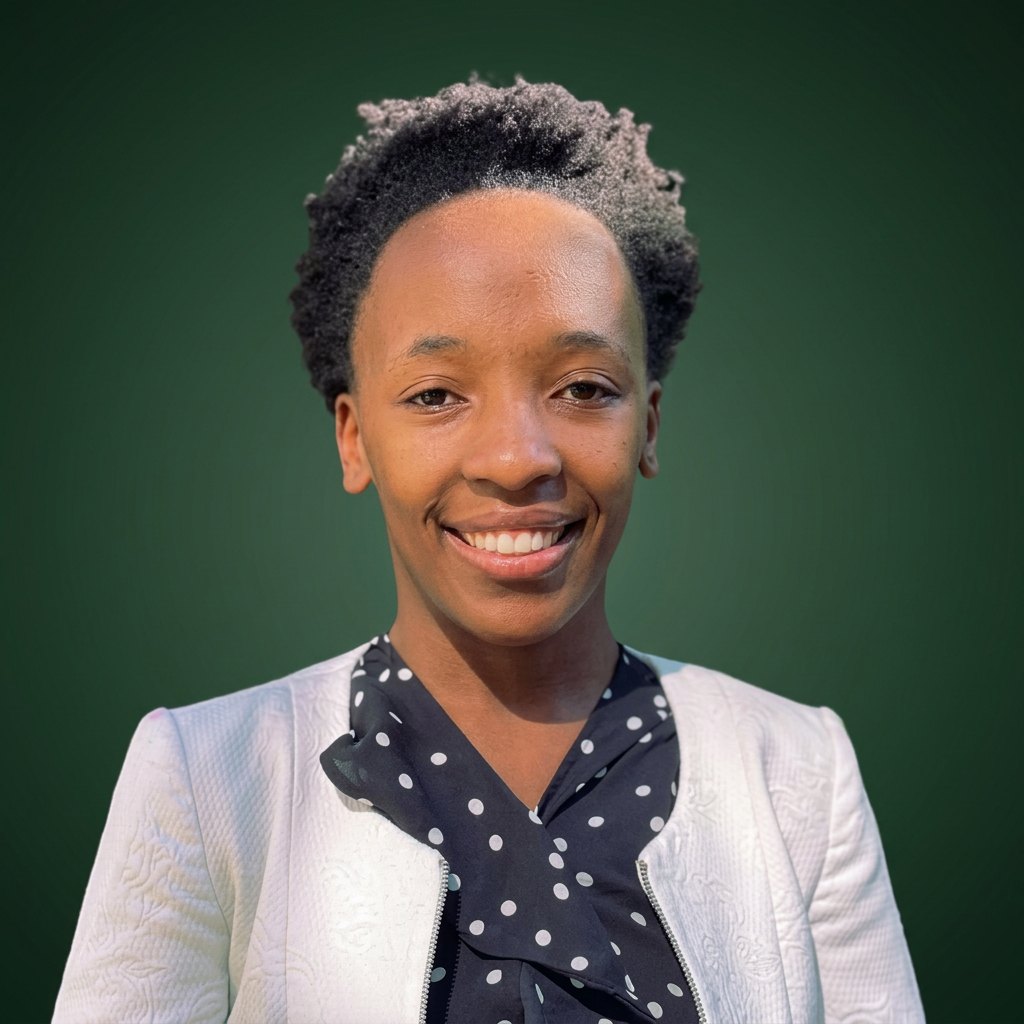
Khanyisile Ntsenge
CEO / Managing Partner — Development Advisory
A development leader with over a decade across philanthropy, advisory and consulting. Khanyisile leads economic and sector strategy, programme design and systems-level advisory.
Education
BA (Hons) Demography & Population Studies · PGDip Public and Development Sector M&E · MA eScience, University of the Witwatersrand

Sipokazi Mayekiso
Associate — Development Advisory
An economist, researcher and development adviser with over a decade of experience. Sipokazi focuses on economic development strategy, research, programme design and policy insight.
Education
BCom Economics · BCom (Hons) Economics · Masters in Economics, University of Fort Hare

Kedebone Oliver
Analyst — Design Thinking, Public Health, Research
A public health researcher and analyst working across qualitative and quantitative research, monitoring, evaluation and learning, and stakeholder engagement. Previously at Genesis Analytics.
Education
MPhil Health Innovation, University of Cape Town · BSc Biotechnology (Hons), University of the Western Cape
09our identity
founding thesis
Africa’s recovery requires a development model that draws on African knowledge, strengthens local institutions and expands economic ownership.
Africa’s development challenges require approaches that respond to the economic, social and institutional conditions of the communities they seek to serve. African knowledge systems, supported by rigorous research, technical expertise and effective institutions, can inform interventions that strengthen productive capacity, expand economic participation and enable communities to build and retain ownership of economic assets.
north star
replacing systems of dependency with systems of ownership.

moringa
Resilience
The moringa tree nourishes from root to leaf in the harshest soil.

chiroro
Nurture
The act of tending what is planted, with care, patience and precision.

pula
Prosperity
The rain that makes abundance possible.
10contact
discuss a development challenge with us.
We work with institutions, businesses and development partners seeking research, strategy, programme design and implementation support.
we plant. we nurture. we grow.
Sandton, Johannesburg
South Africa
Tell us about the development challenge or institution you are working on.